
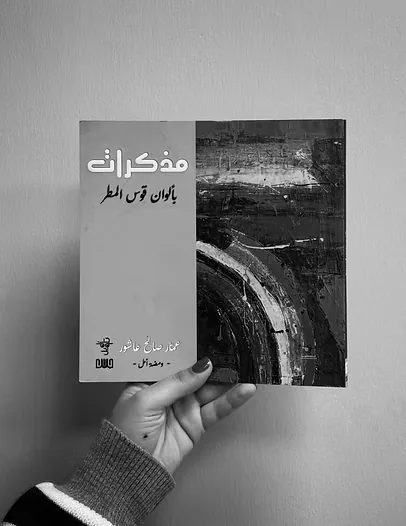
Memoirs in Rainbow Colors
A narrative autobiography detailing real-life events and personal milestones. It blends storytelling with lived experiences to reflect the colors of a life's journey.
with more than 25 years of unstoppable passion and work

In the architectural philosophy of Ammar Ashour, architectes emanates from a profound understanding of the human being, the context, and the latent memory of a place. Every project is a dialogue between the space and its contents, and between the visible and the hidden.
With a passion for design and innovation, Ammar Ashour Architects has completed numerous projects, transforming visions into reality. Explore our projects to witness our dedication to excellence.
Every project begins with listening: to the place, the people, and the invisible layers of memory and context. We analyze space psychologically and socially as much as we study it structurally, seeking to understand how architecture influences behavior, emotion, and daily interaction. For us, design is not a ready-made answer, but a path of research that evolves with every step.
We don't just design buildings; we craft human experiences , with more than 25 years of unstoppable passion and work
We approach architecture as a human process before it is a design practice
— Dr. Ammar AshourThis collection includes two complementary works; one delves into the depths of the human experience, and the other paves the way for understanding the architectural world in a narrative spirit.
A narrative autobiography detailing real-life events and personal milestones. It blends storytelling with lived experiences to reflect the colors of a life's journey.
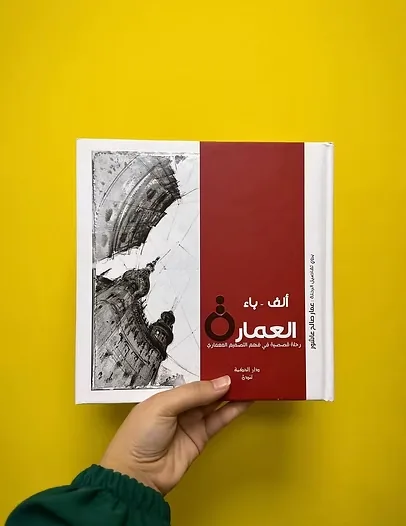
A storytelling-based guide to architectural foundations. It simplifies the design process and the core concepts of architecture, making them accessible through an engaging narrative journey.
Ammar Ashour Architects' work extends beyond architectural design and professional practice to include cultural and educational initiatives. In addition to architectural projects, Ammar Ashour architects founded the "Imara Wa Tawasul" initiative.
It is a non-profit organization dedicated to promoting architectural awareness and building bridges of communication between architecture and society. The initiative organizes:
Free educational workshops, Cultural and architectural events, Bazaars and charitable activities
This aims to foster architectural culture, make knowledge accessible, and encourage learning and knowledge exchange beyond the traditional academic framework.
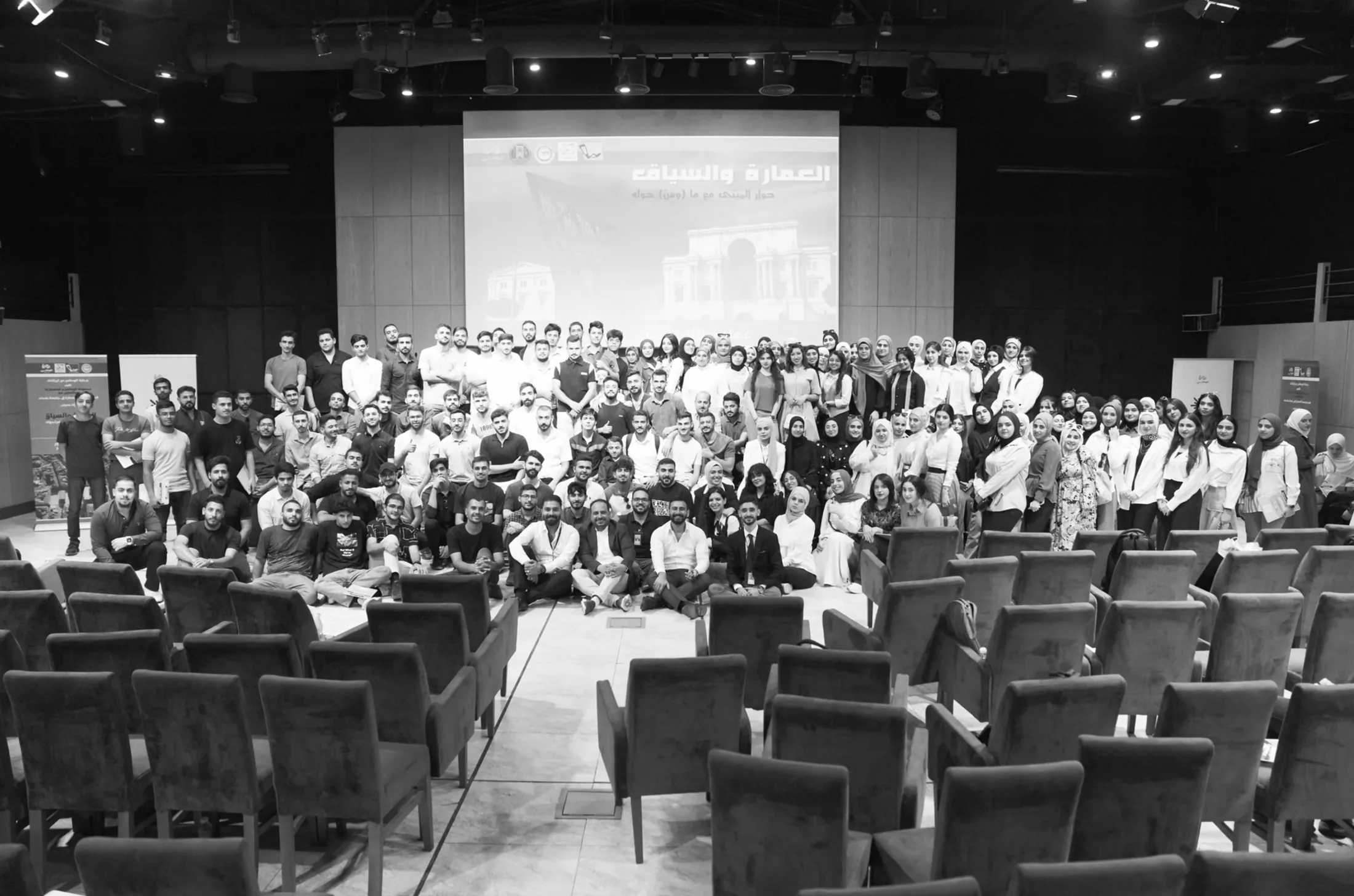
"Architecture and Context": A Dialogue Between Mass and Surroundings
As part of the Imarwa Wa Tawasul initiative, Architect Ammar Ashour presents a non-profit educational workshop for students, designed to go beyond the traditional academic scope.
The workshop deconstructs the concept of "Context," exploring architecture as a living organism inseparable from its environment. It discusses the dialectical relationship between the building and its surroundings: When should the building yield to the place (Harmony), and when should it provoke it (Contrast)? And how does this influence the identity of "who" and "what" surrounds it?
architecture and context chapter one
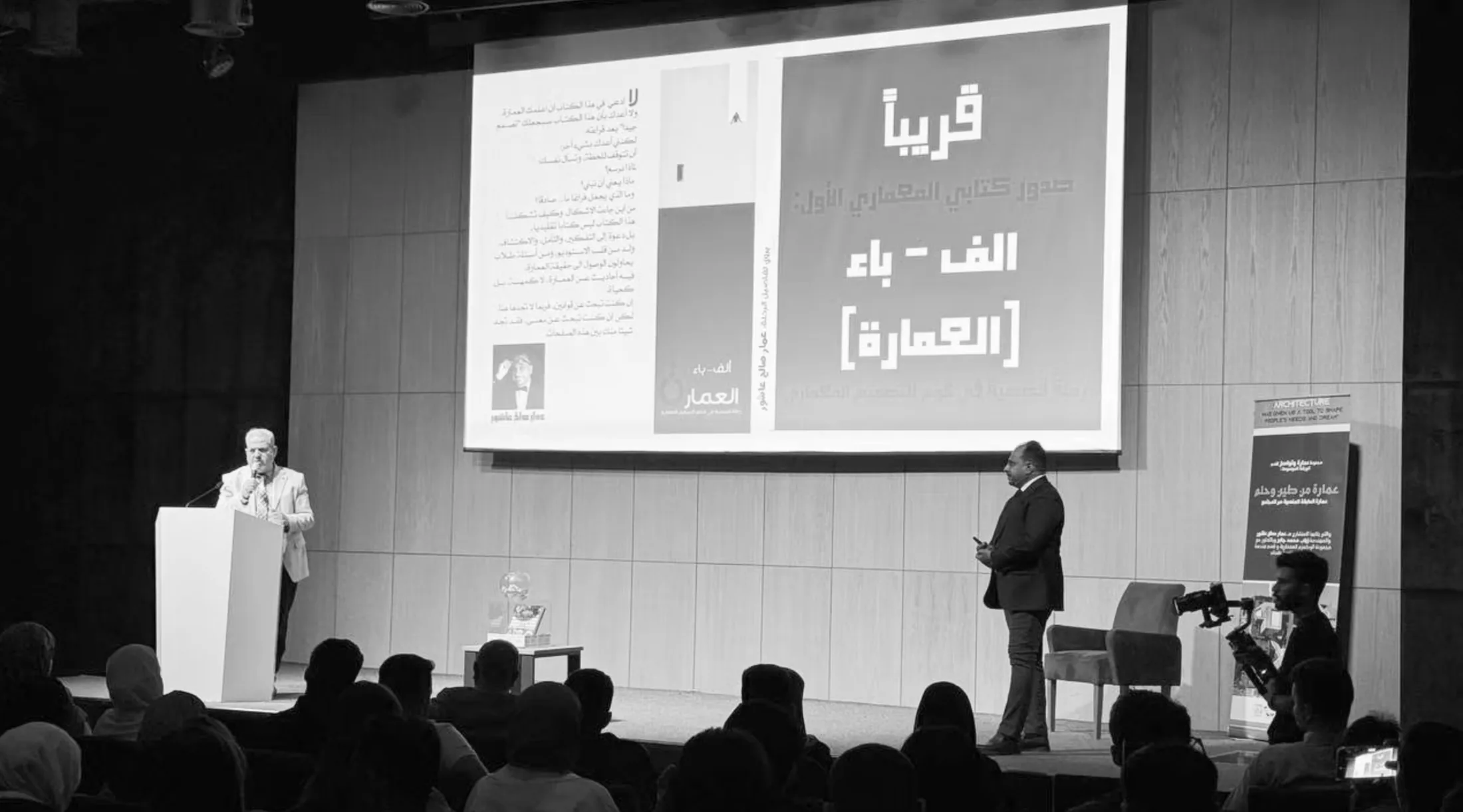
As part of the Imara wa Tawasul activities, the "Architecture of Mud and Dreams" workshop was held to highlight architecture dedicated to the forgotten classes and the less fortunate in society. The workshop posed a fundamental question: How does an architect design for those who lack a voice in the architectural landscape?
The session approached architecture as a social and ethical act rather than merely a visual product. It focused on concepts of simplicity, limited resources, and local materials—primarily mud—as an architectural medium capable of transforming a dream into a liveable space.
Presented by Architect Ammar Ashour and Architect Zainab Al-Atta, this workshop is part of a series aimed at spreading architectural culture and raising awareness of the architect's role beyond the traditional framework of academic education.
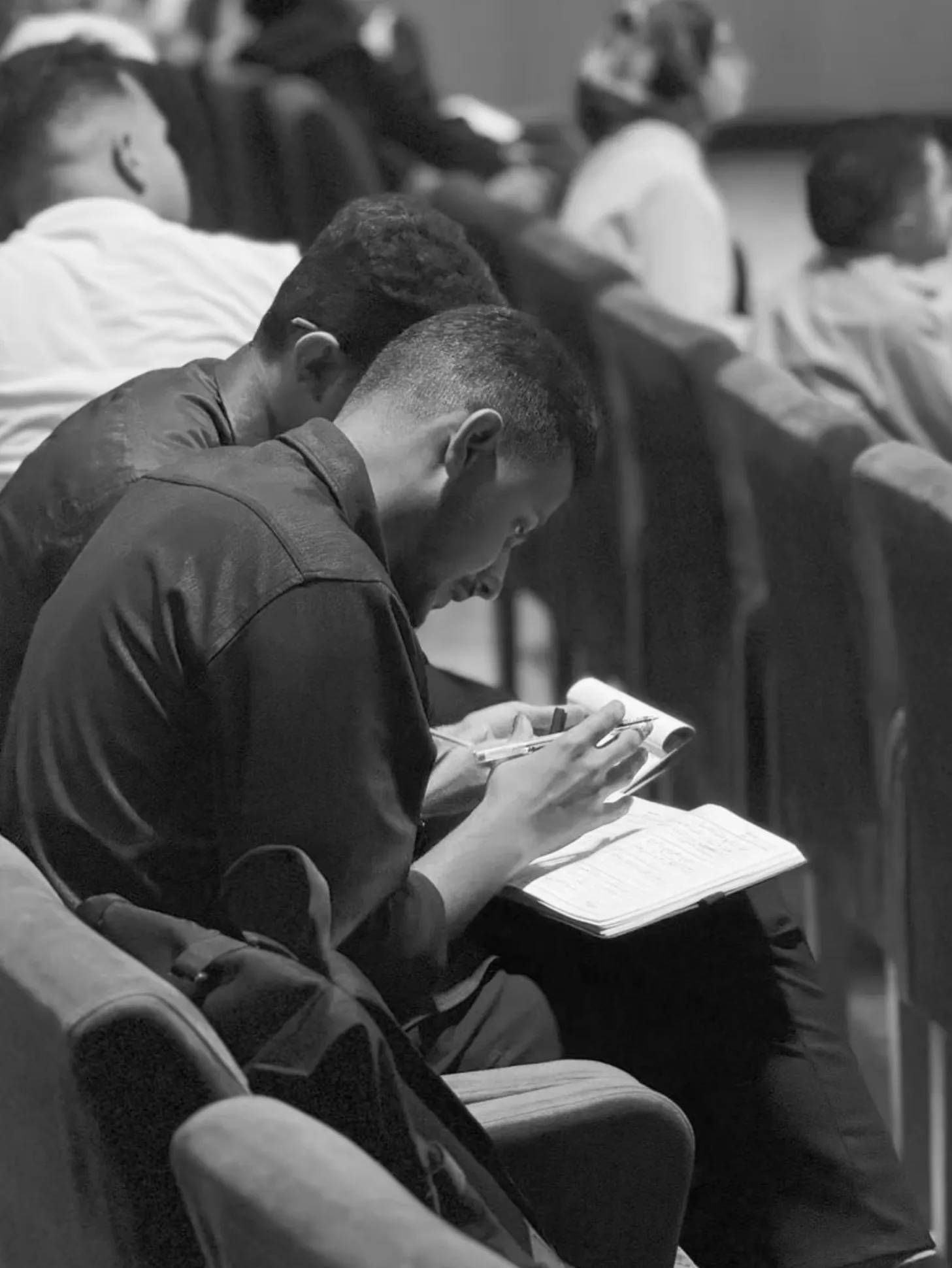
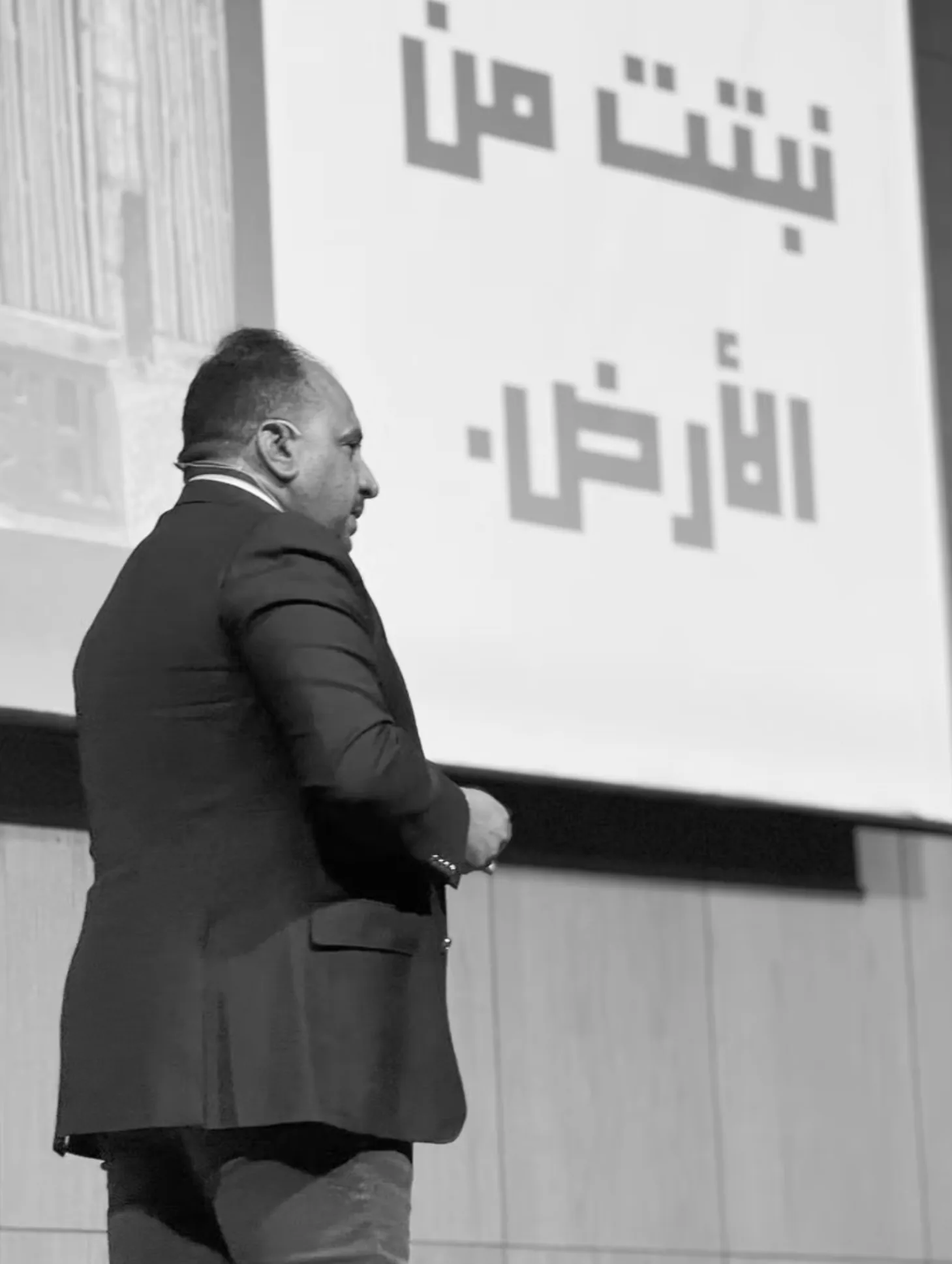
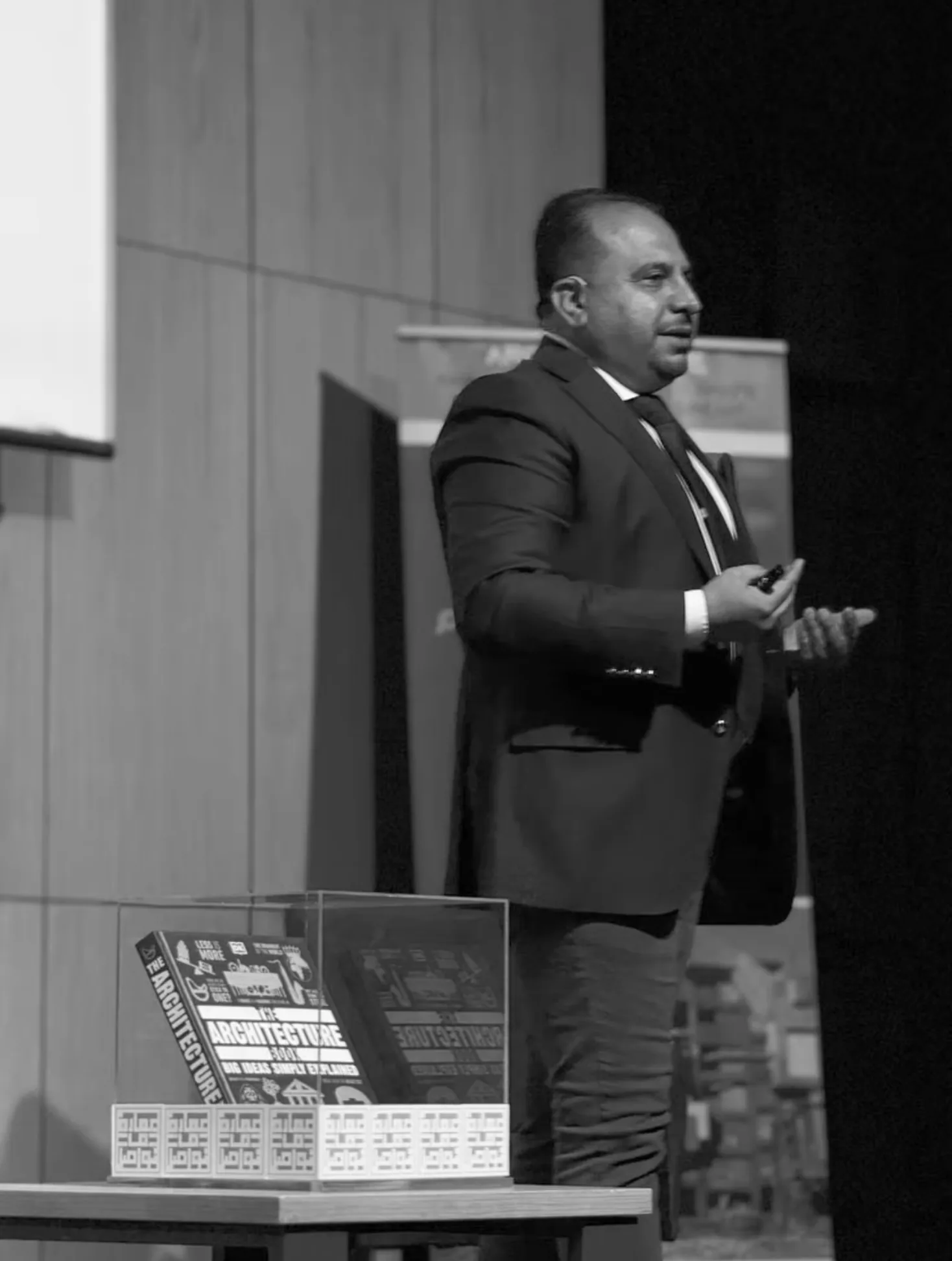
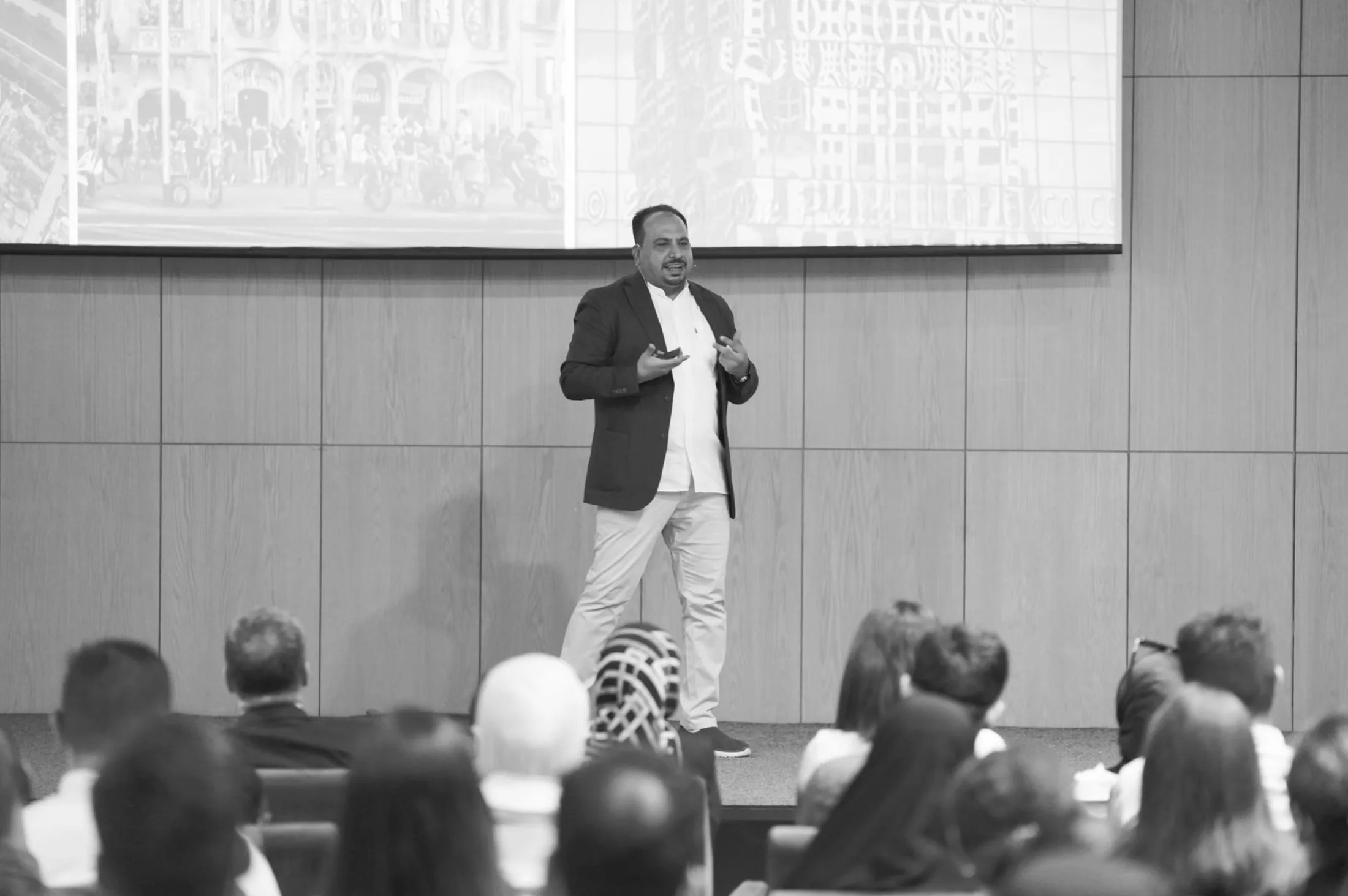
This workshop explores the dialectical relationship between the architect's philosophical vision and the end-user's perception of space. It aims to investigate how a designer can translate ideas into an intelligible visual and functional language that transcends mere form to resonate with the recipient's soul and fulfill their needs.
Presented by architect Ammar Ashour as part of the 'Imara Wa Taswasul' workshop series, we highlight the importance of narrowing the gap between academic theory and societal reality, transforming a building from a silent mass into a shared sensory experience."
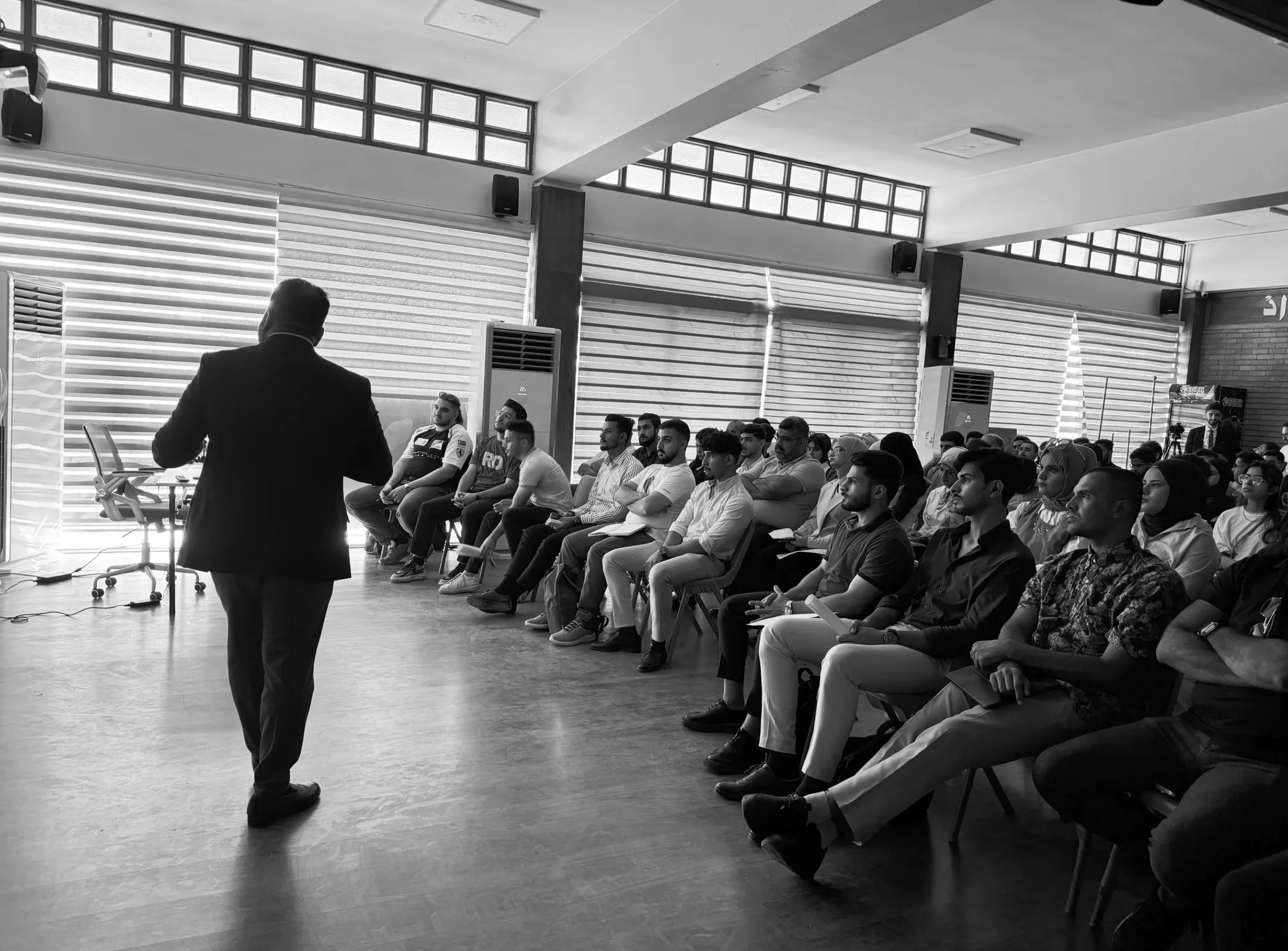
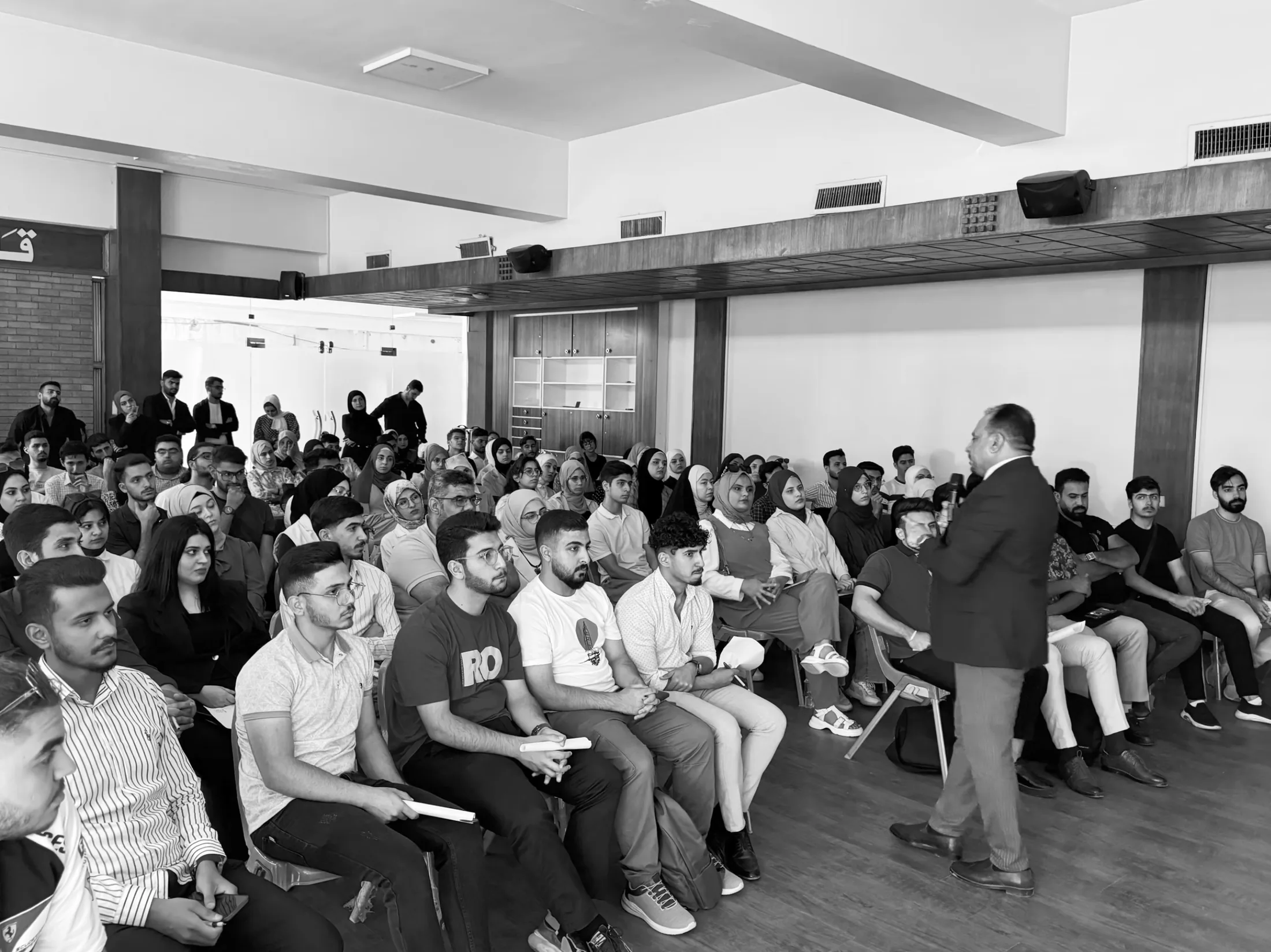
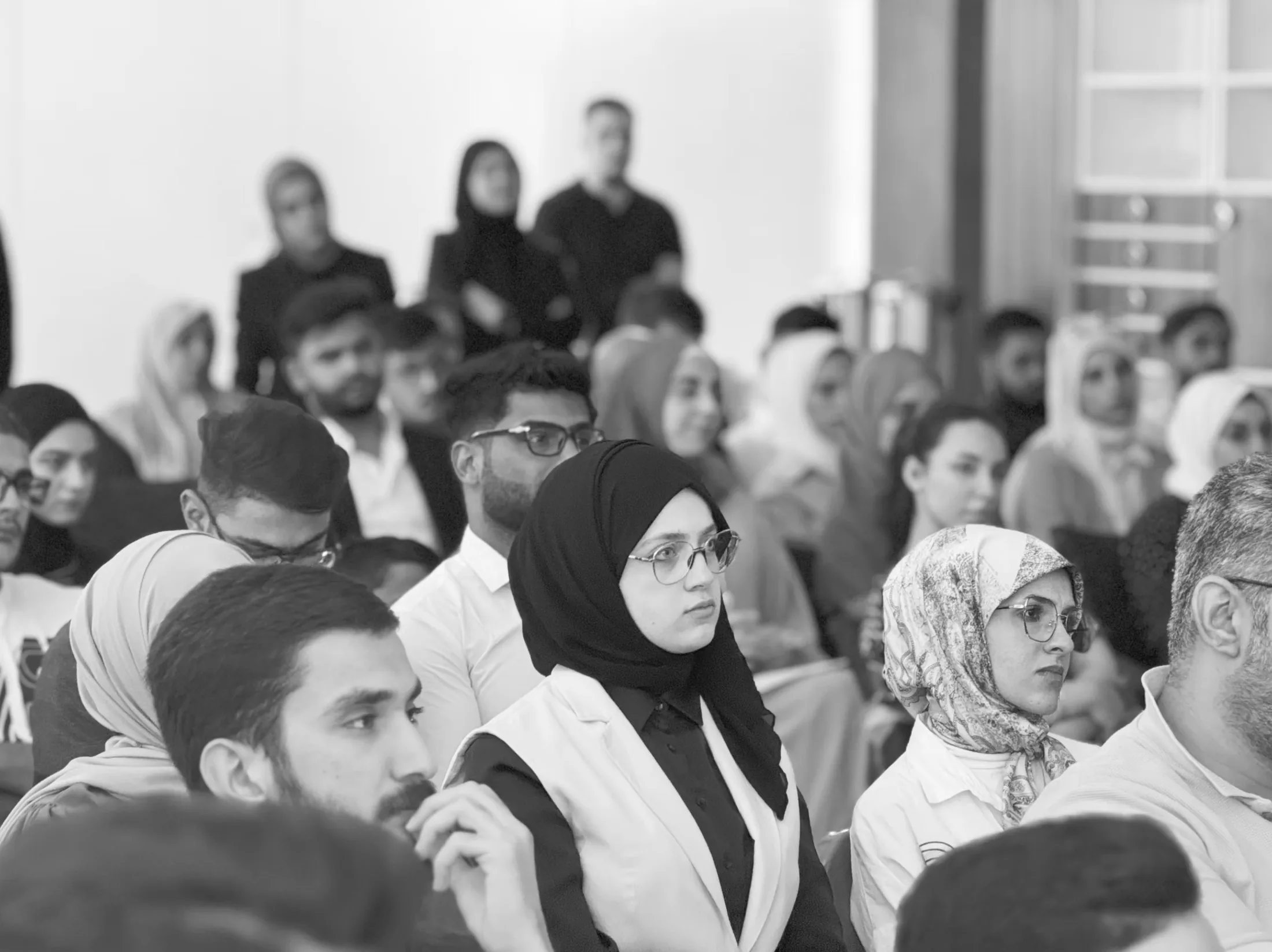
A free workshop titled “Metaphor in Architecture” presented by Architecture & Communication Group, led by architect Ammar Ashour and his team. The workshop explores metaphor as a conceptual and design tool in architecture, and how abstract ideas, symbols, and narratives can be translated into meaningful architectural spaces. It aims to develop critical thinking and strengthen the relationship between concept and architectural form through discussions and applied examples.
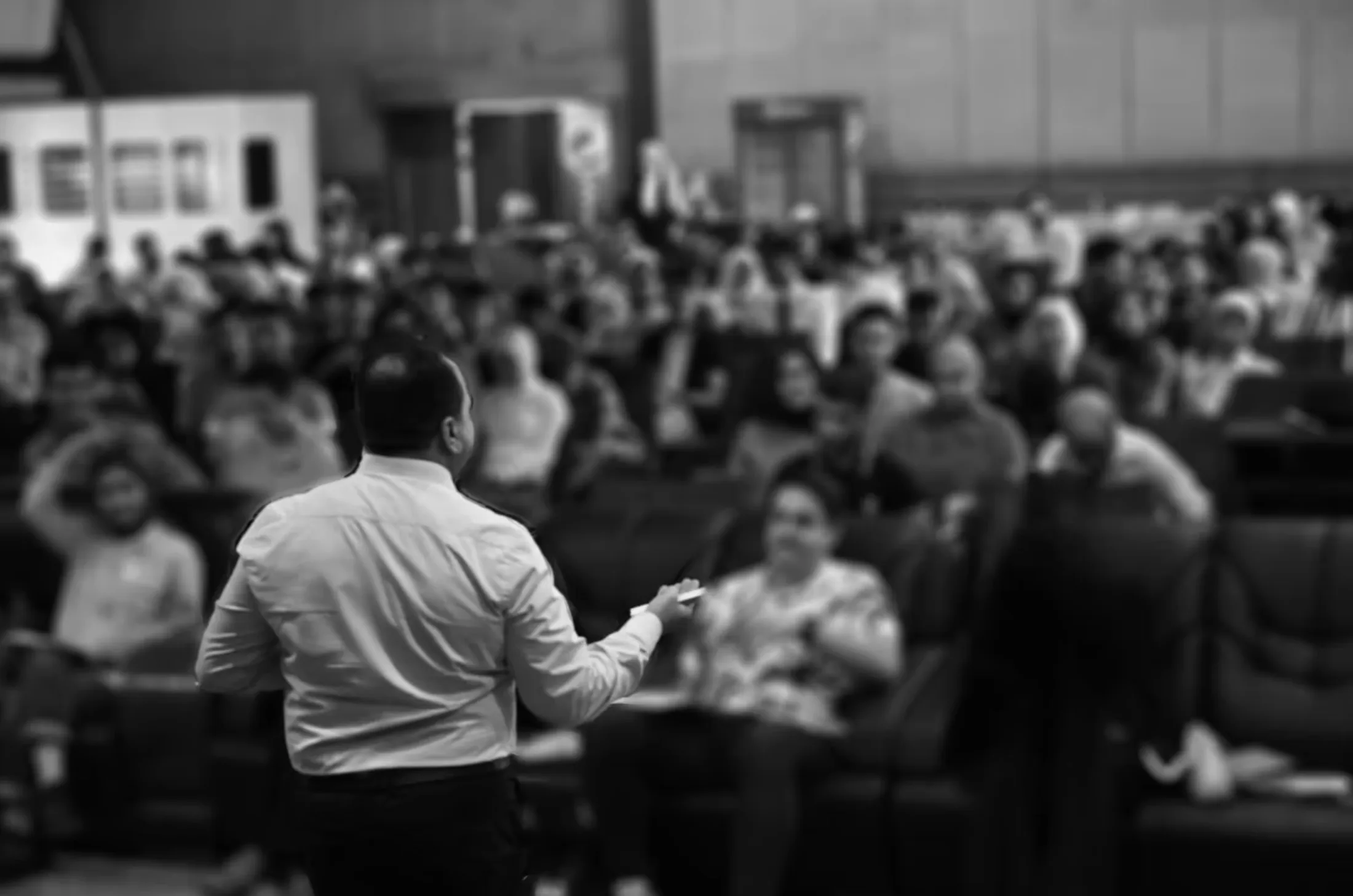
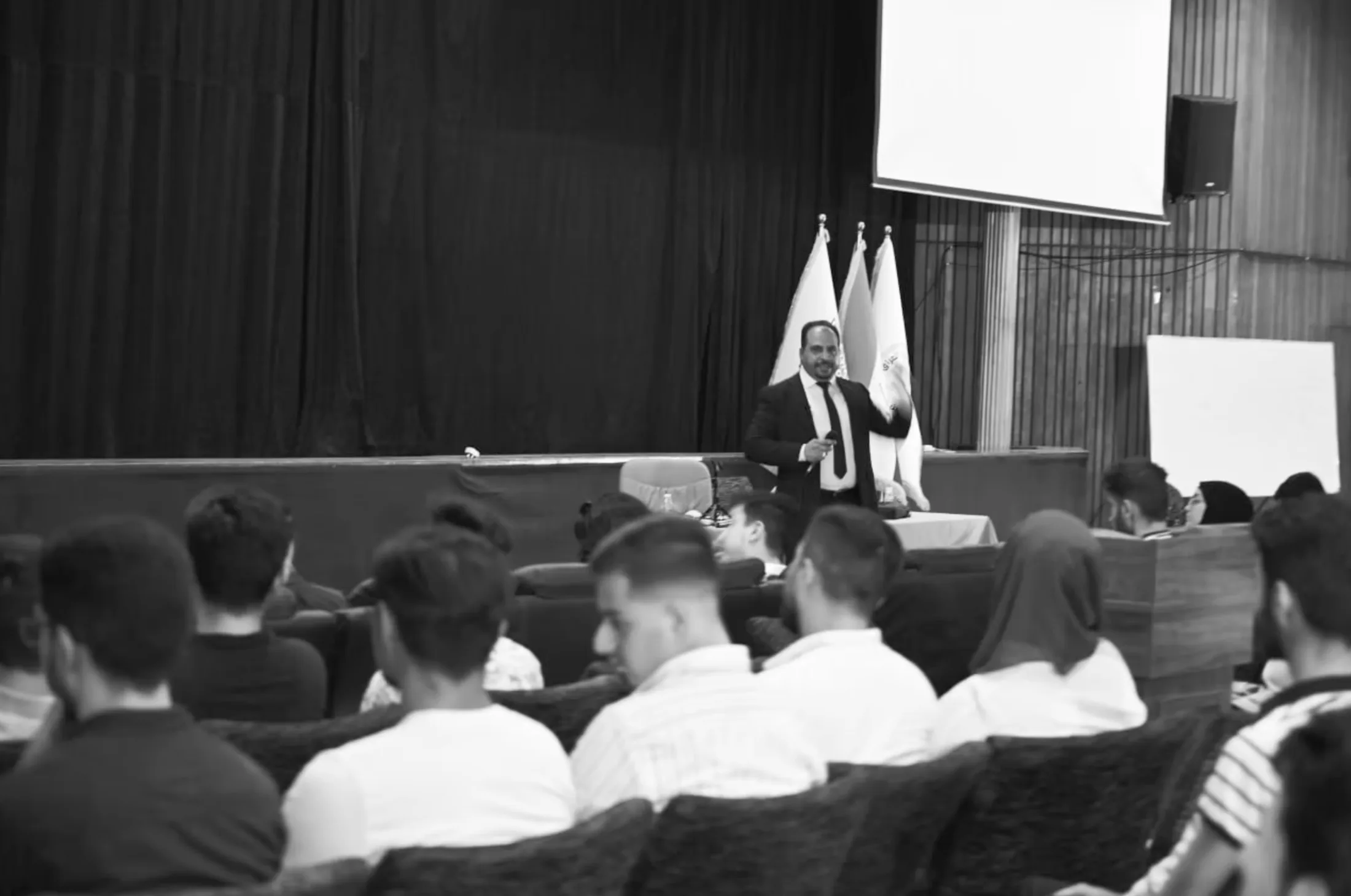
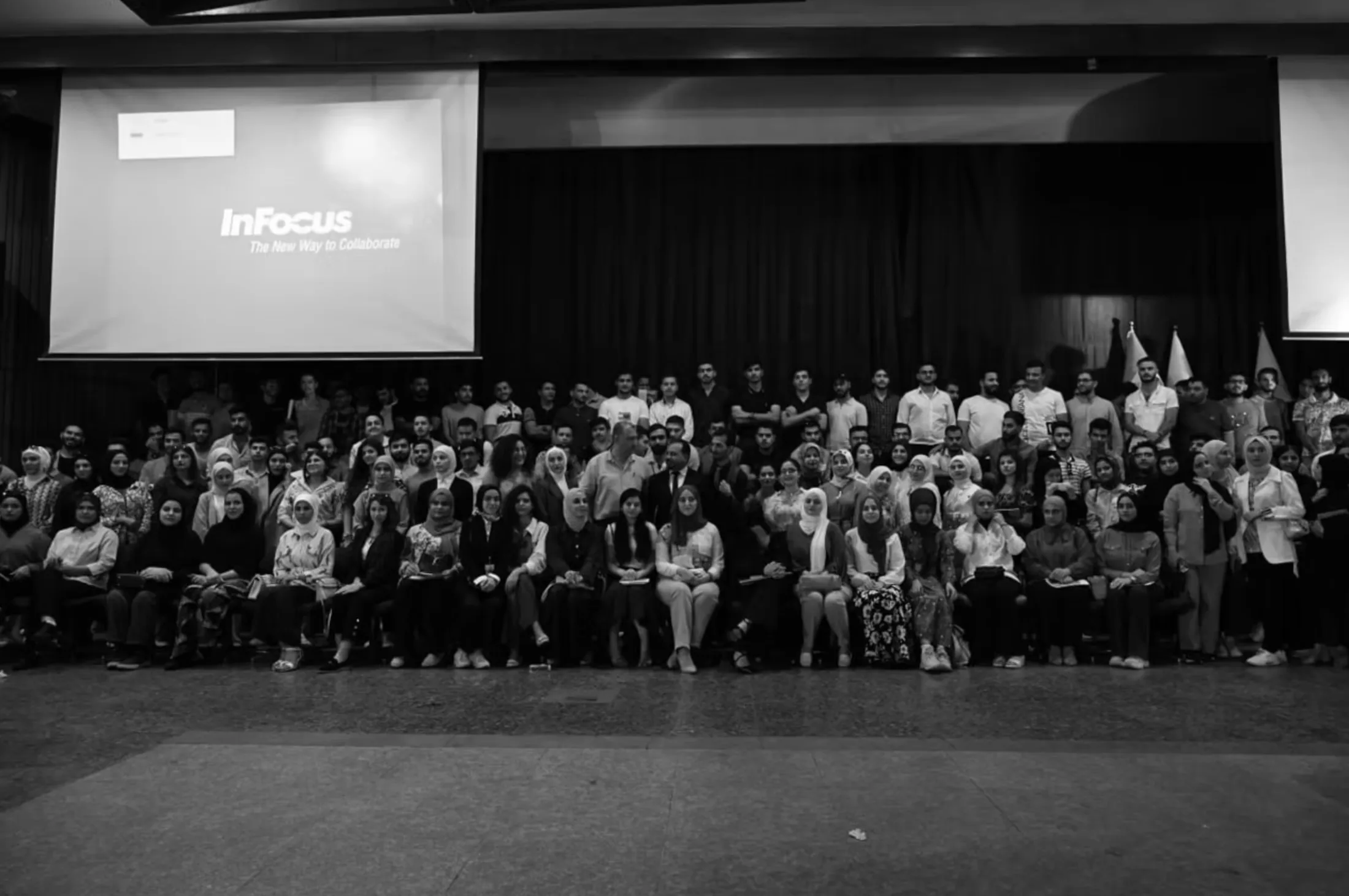
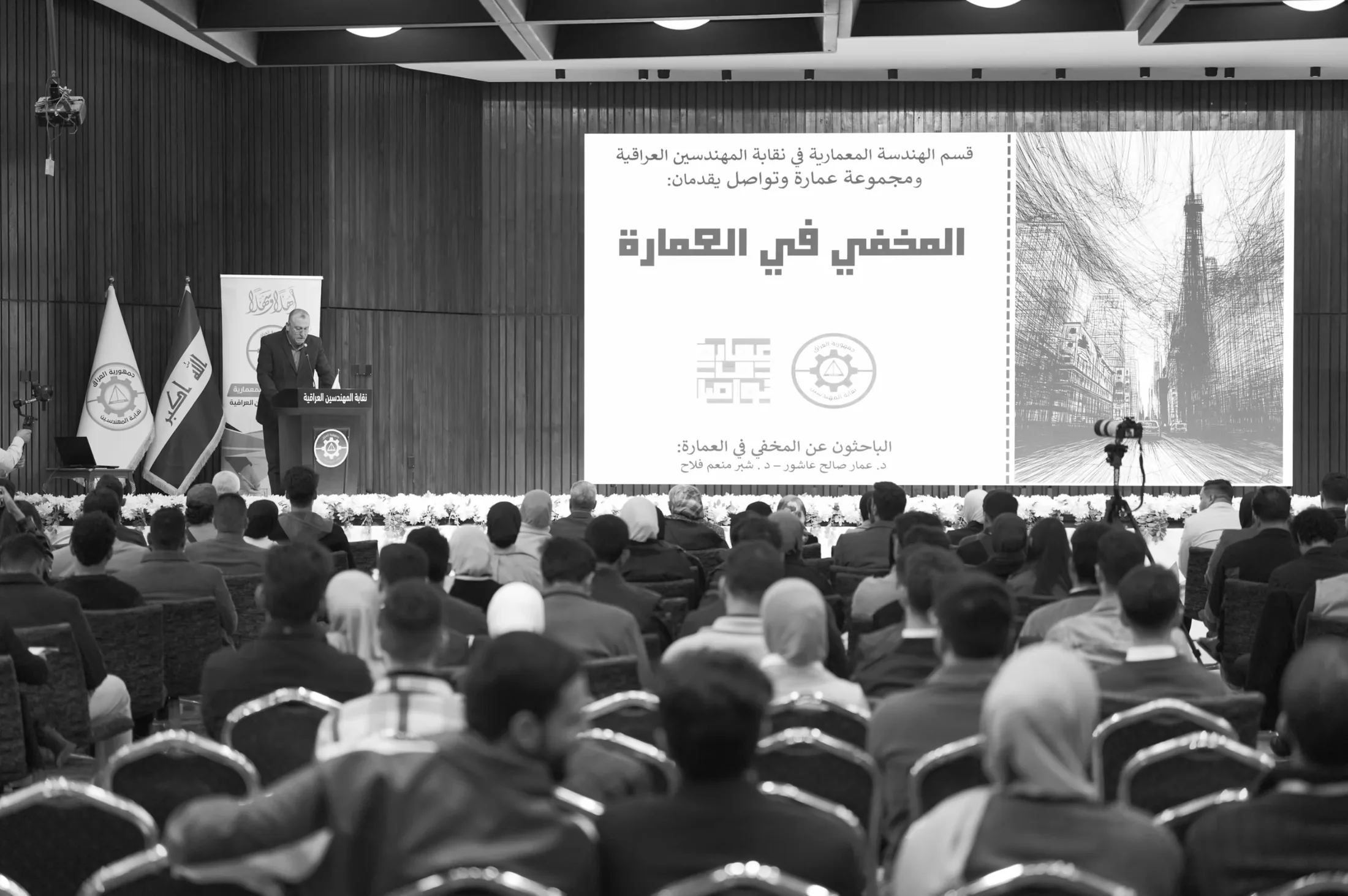
Within the "Imara Wa Tawasul" initiative, the " The Architecture of the Unseen " workshop explores the immaterial dimensions of the built environment. Going beyond physical form, it examines the primacy of thought and intention, deconstructing the silent dialectic between light and shadow. The session addresses how materials evoke spatial memory, ultimately defining architecture as an experience "perceived through sensation rather than sight," where the intangible essence of space transcends its physical existence.
The Architecture of Unseen was in collaboration with the Iraqi Engineers Union and The event culminated in honoring the shortlist of distinguished Graduation projects for the year 2025 from the First Iraqi Forum for Architecture Departments
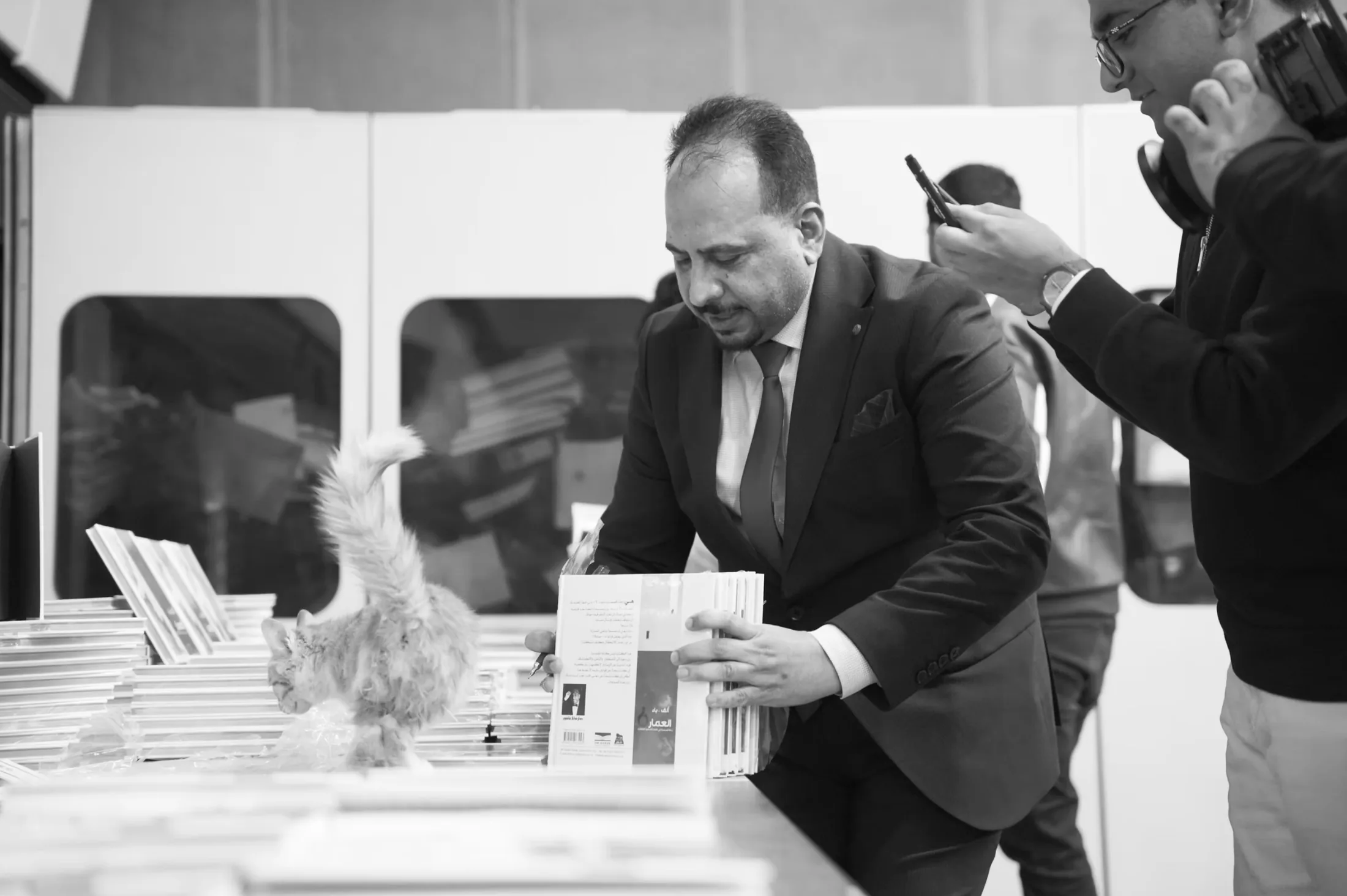
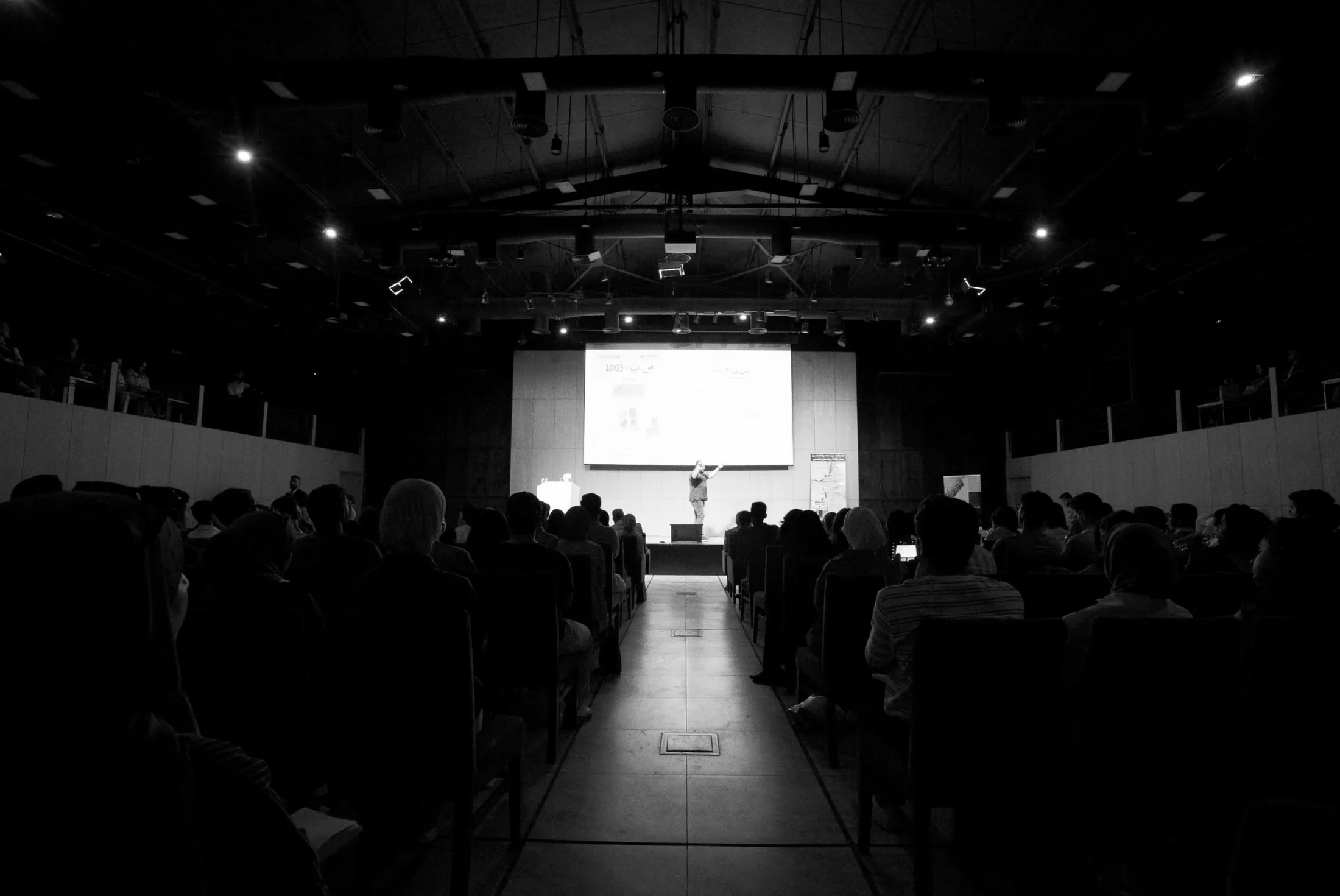
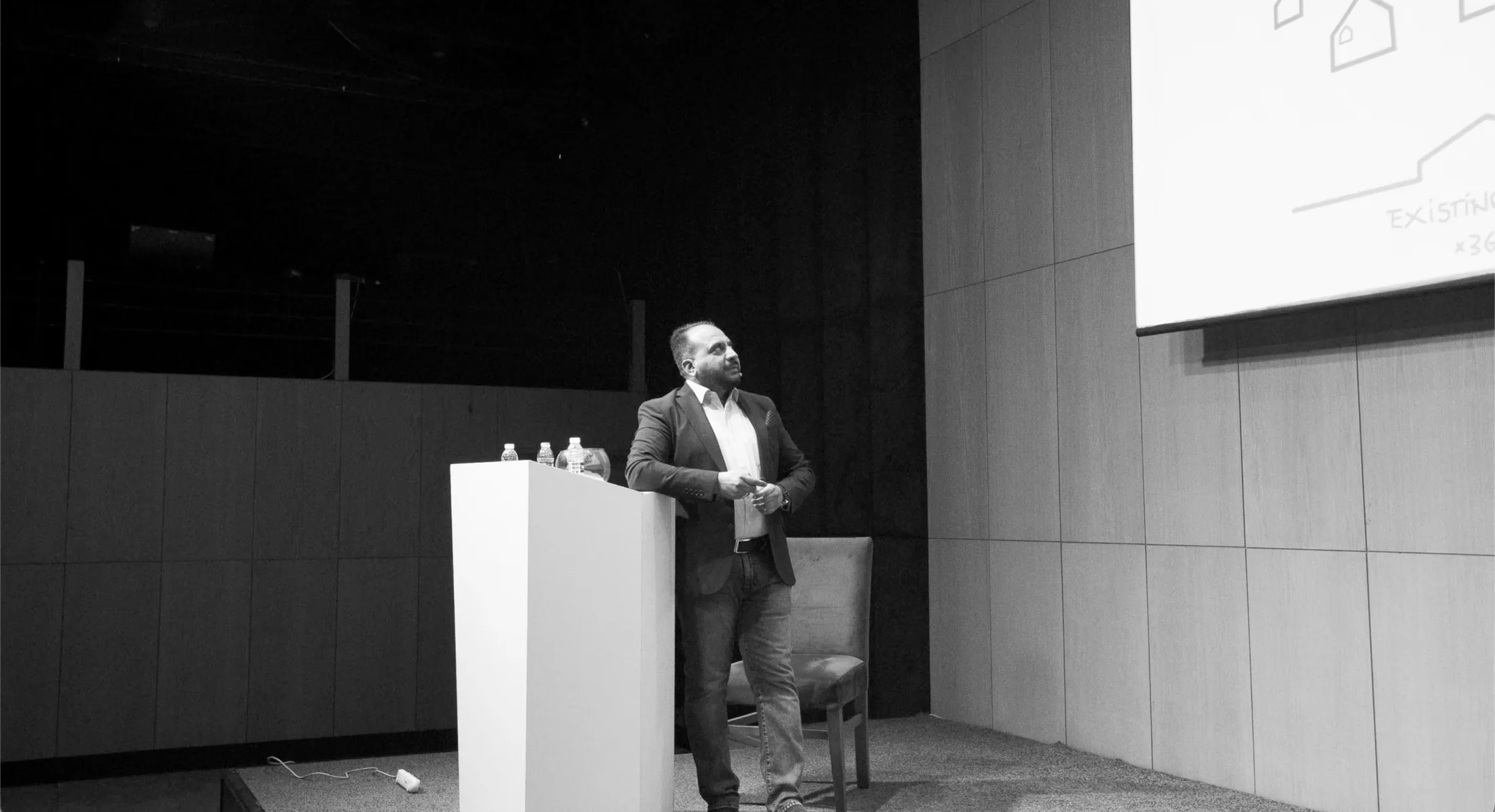
As part of the Imara wa Tawasul initiative, the "The out of the box trilogy" workshop offered an experimental space designed to redefine architectural design beyond traditional academic constraints.
Focusing on the transition from imagination to form, the session prioritized the creative process over the final product. It challenged the "box" as a mental barrier, exploring how architects can liberate their ideas from pre-set templates and standard solutions.
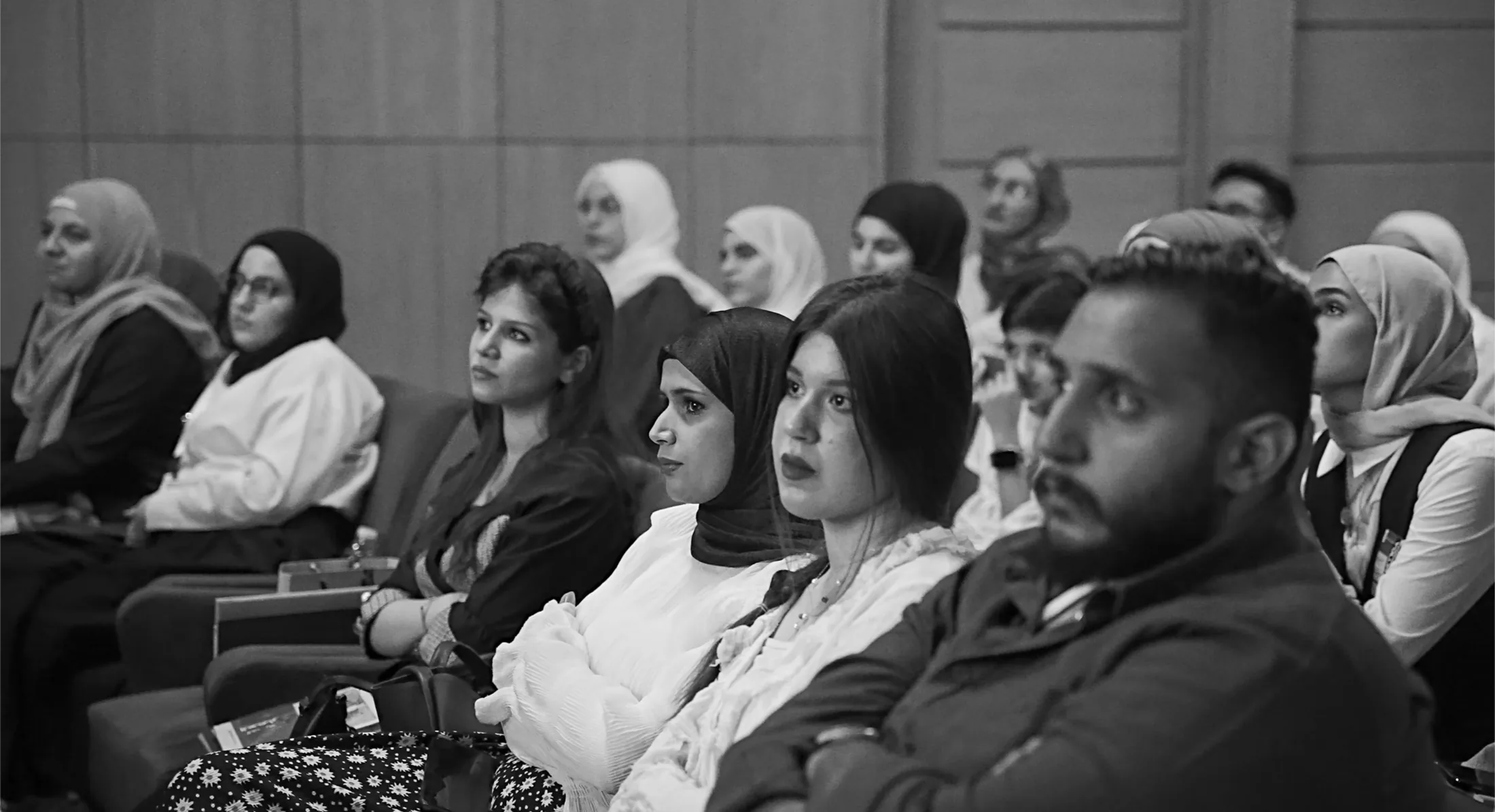
Far from a traditional lecture, the event relied on open dialogue and experimentation to foster independent thinking.
Presented by architects Ammar Ashour and Zainab Al-Atta, the workshop provided a large number of students with a unique opportunity to deconstruct design norms and learn outside the classroom.
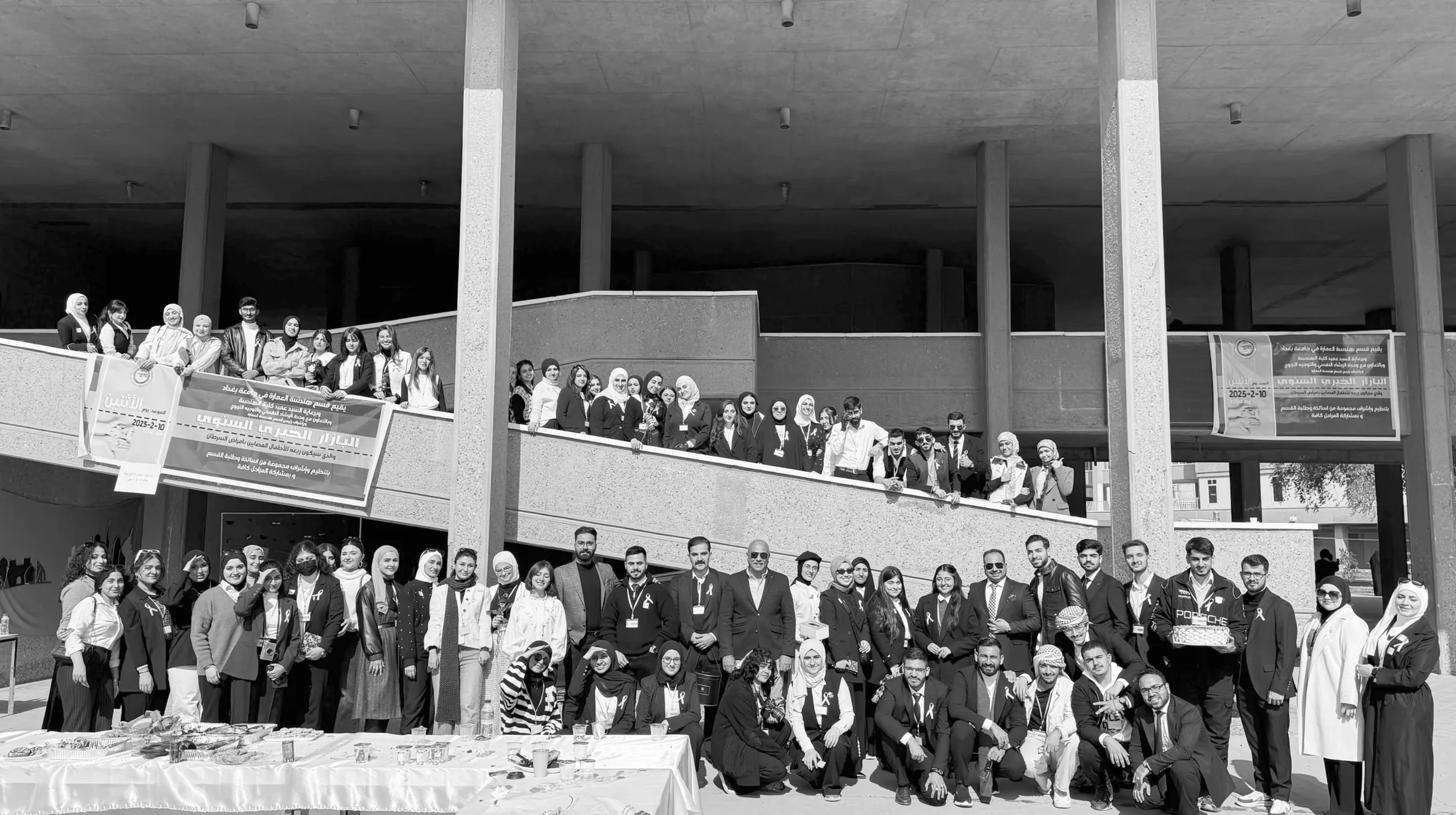
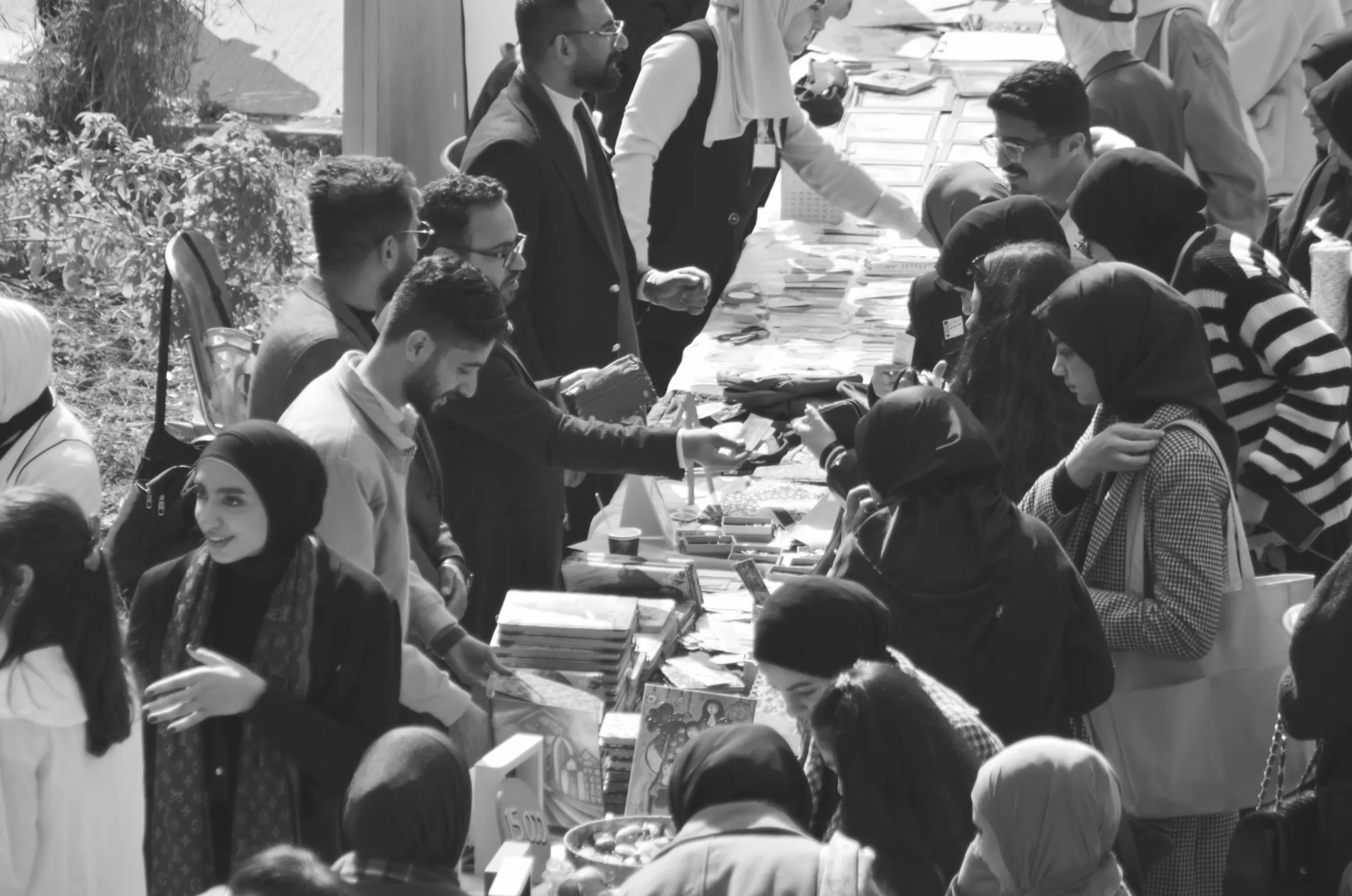
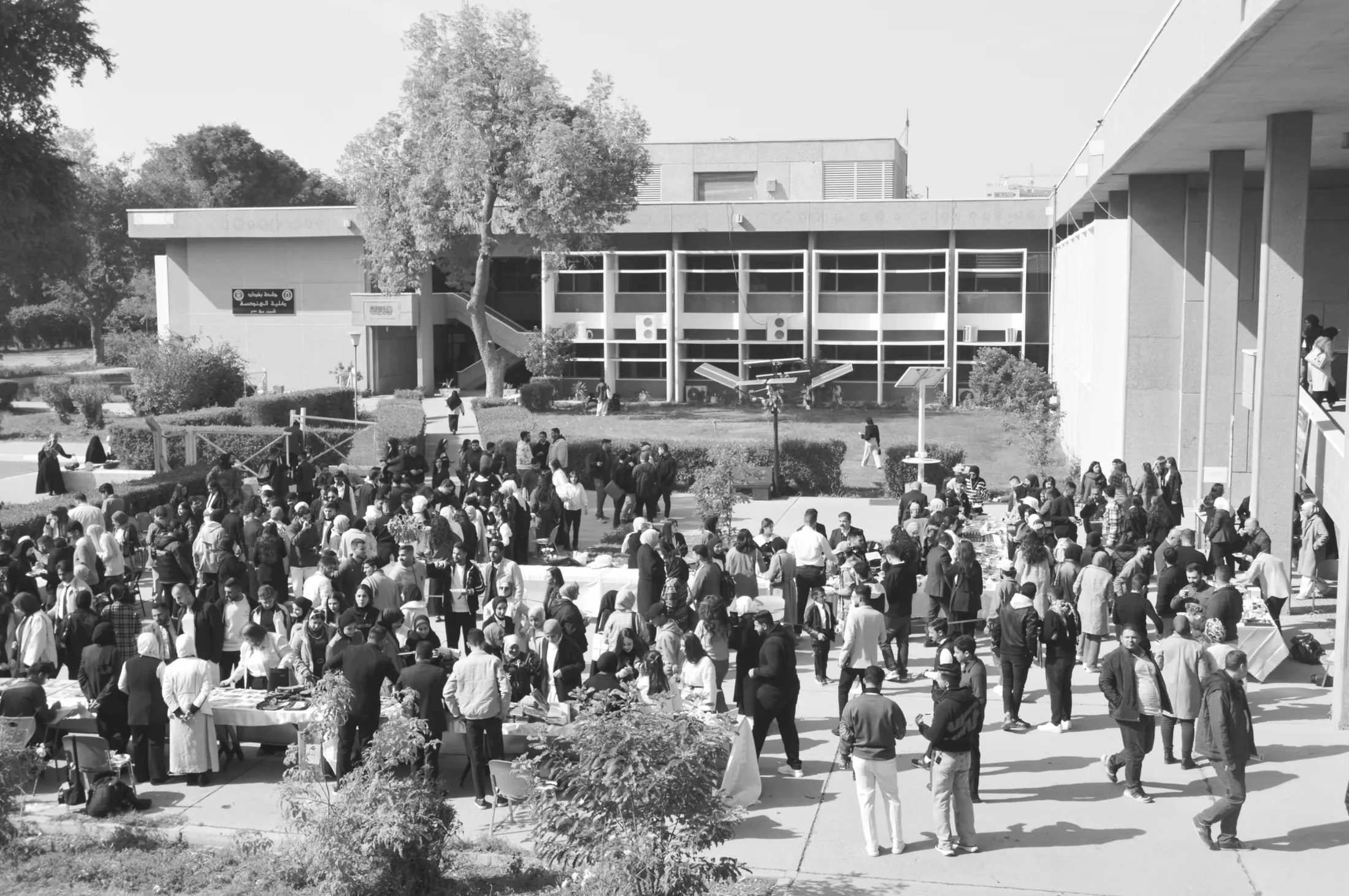
The Annual Charity Bazaar represents the pulsating humanitarian heart of the " Imara Wa Tawasul " initiative at the University of Baghdad. Transcending the traditional concept of a marketplace, it stands as an event of solidarity that merges creativity with social responsibility. In this initiative, students' artistic products and handicrafts are transformed into messages of hope, with all proceeds dedicated entirely to supporting and treating cancer patients. The event aims to entrench the concept of "Connection" in its deepest sense; demonstrating that an architect is not merely a designer of buildings, but an active participant in building society and healing its wounds, turning art and beauty into effective tools for moral and financial support.
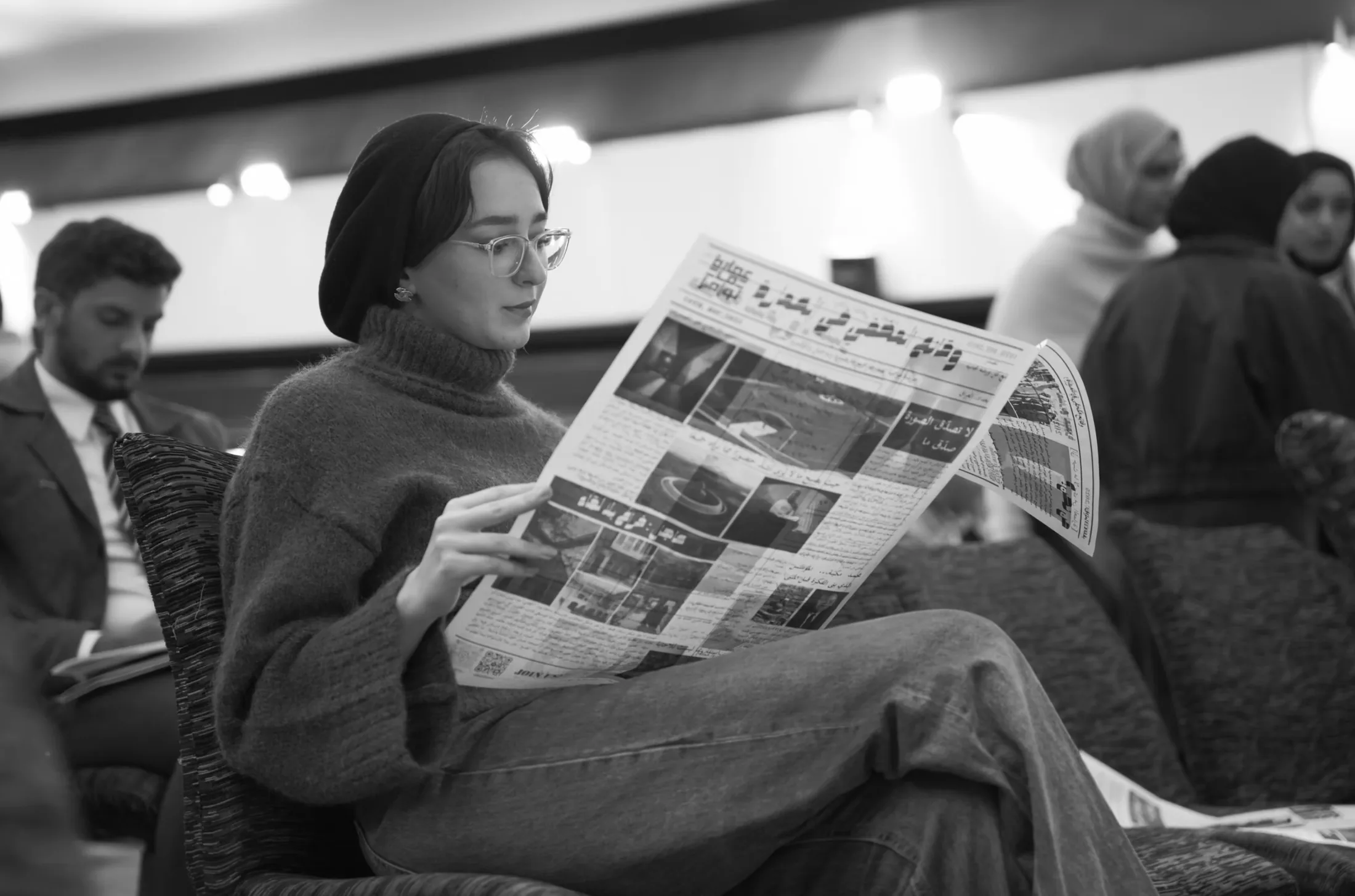
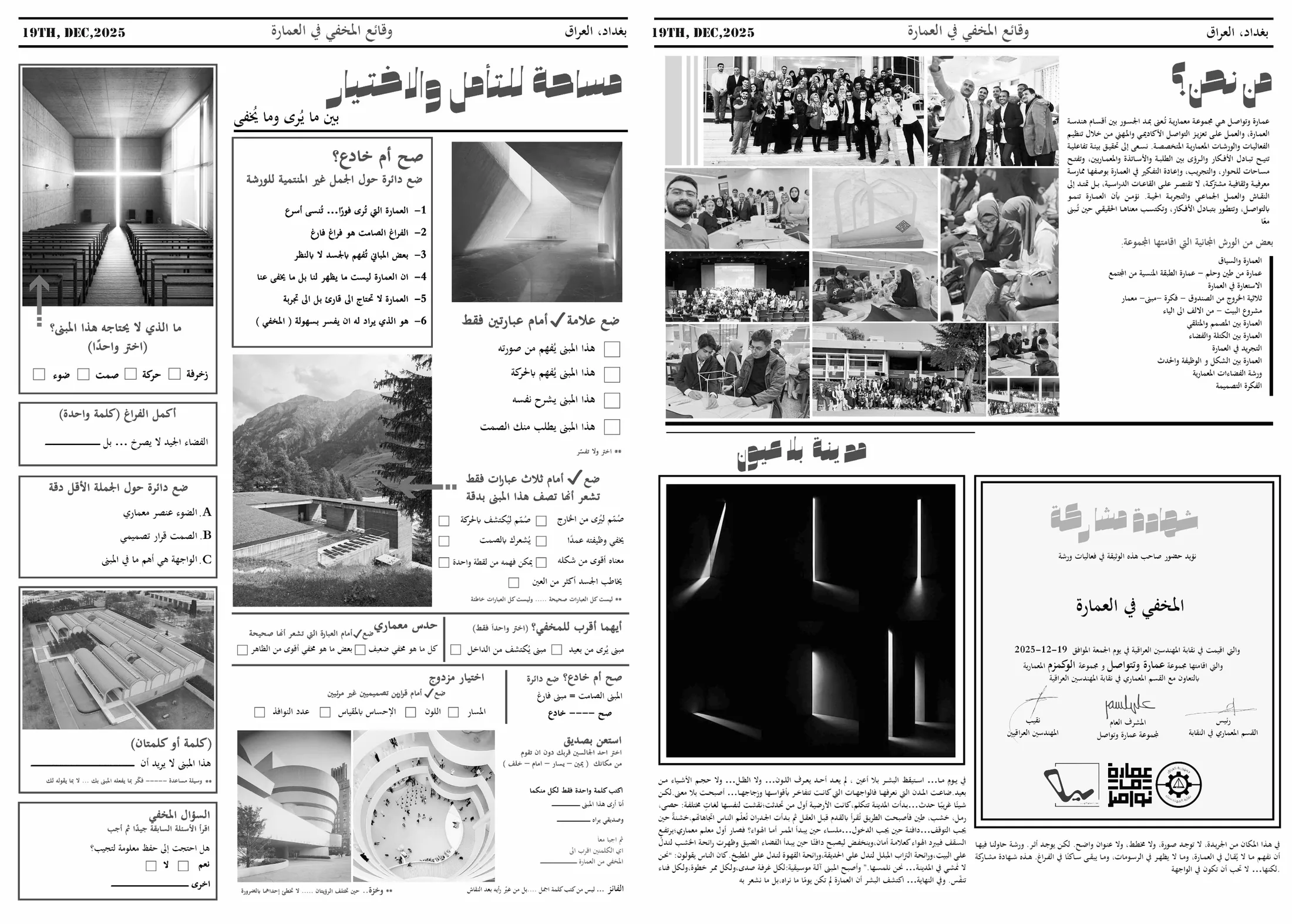
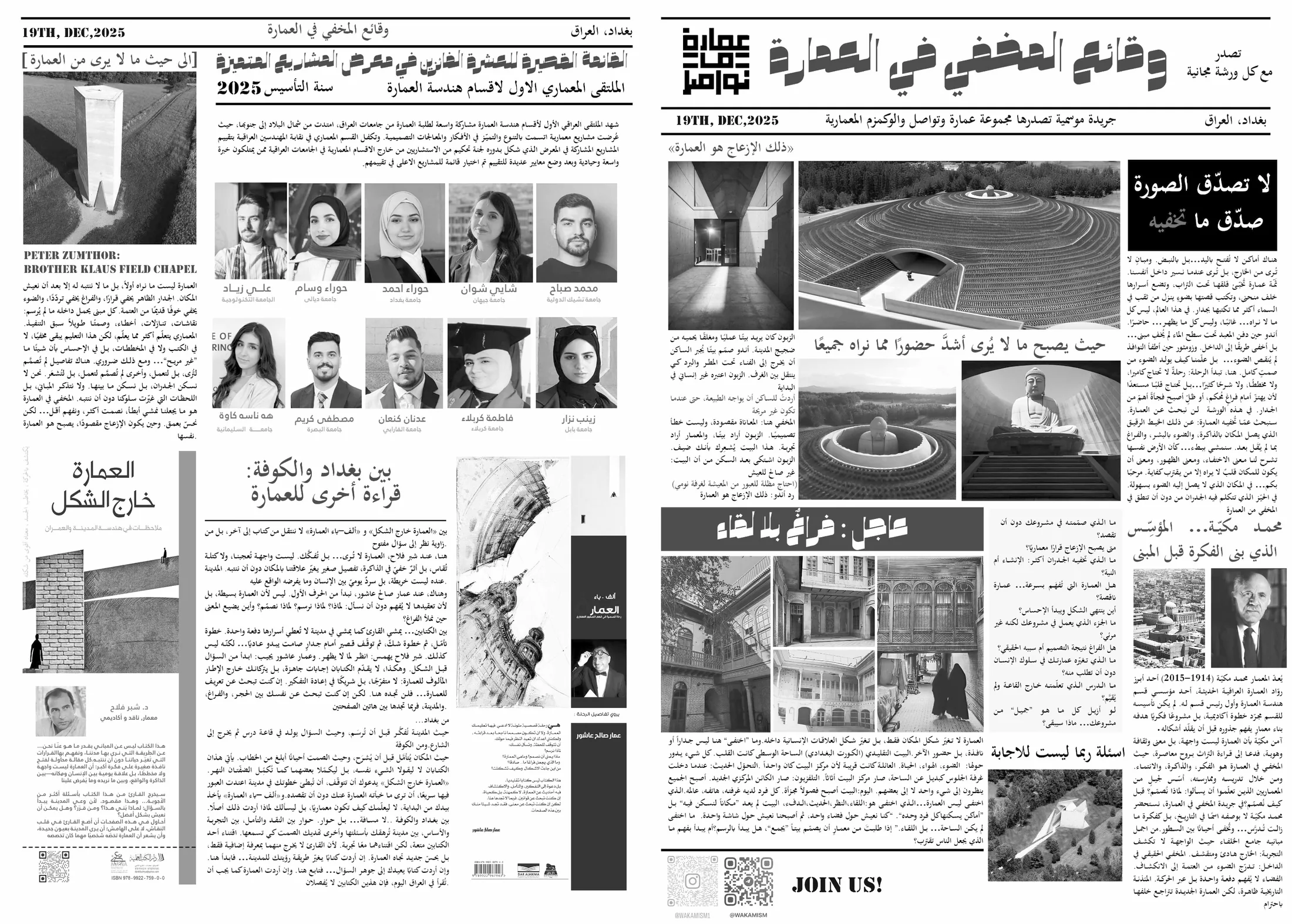
IMARA WA TAWASUL newspaper was launched with its first issue as an open and accessible architectural platform, published alongside each Imara Wa Tawasul workshop. Its aim is to present architectural topics in an engaging and easy-to-understand way, outside the boundaries of traditional academic discourse.
The first issue was released during the “Architecture of the unseen ” workshop. It addressed a range of architectural themes, including the shortlist of distinguished projects from the First Iraqi Forum of Architecture Engineering Departments, as well as dedicated coverage of the workshop itself, interactive architectural games, and a certificate of participation for workshop attendees.
The journal represents an initiative to create a space for dialogue that connects architecture with society and brings architectural thinking closer to a wider audience through a lively and approachable format.
Hosted by the University of Baghdad as part of the "Imara Wa Tawasul " initiative, this forum was a landmark event that united architecture departments from universities across Iraq for the first time.
The primary goal was to bridge the gap between different academic institutions, moving from isolation to collaboration. It served as a platform for students and professors to exchange knowledge, showcase graduation projects, and discuss the future of architectural education, effectively creating a unified network for the architectural community in Iraq.
completed projects
ongoing projects
Years of Experience